The Allure of Gambling: What Draws Players In
The initial attraction to casinos often stems from the thrill associated with gambling. The excitement of winning, the possibility of striking it rich, and the social atmosphere combine to create an irresistible draw for many individuals. Bright lights, upbeat music, and the clinking of chips all contribute to an intoxicating environment that captivates players from the moment they step inside. This sensory overload is designed to stimulate feelings of excitement and anticipation, making it difficult for players to resist participating in games like payid casino australia , which offer unique experiences and opportunities.
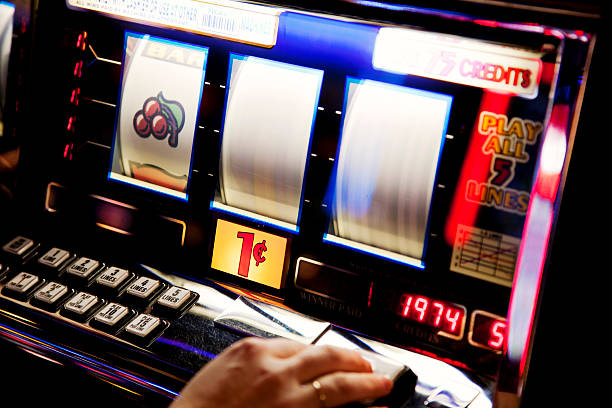
Moreover, many players perceive casinos as places of escape. In the fast-paced world we live in, spending time in a casino allows individuals to forget their worries and immerse themselves in a world of chance and risk. The allure of forgetting daily stresses while engaging in games of luck offers significant psychological relief. As such, the casino becomes more than just a venue for games; it transforms into a haven where players seek respite from their everyday lives.
The psychological concept of variable reinforcement also plays a pivotal role in attracting players. The unpredictable nature of rewards in gambling ensures that players feel a rush of adrenaline, which can lead to repetitive behavior. Even when players experience losses, the excitement of potentially winning can maintain their interest and commitment. This phenomenon can create a cycle of engagement that makes casinos incredibly compelling, often leading players to return for more despite financial implications.
The Decision-Making Process in Gambling
When players engage in gambling activities, they often rely on a mix of emotional and rational decision-making processes. Much of this behavior can be attributed to cognitive biases, where players overestimate their chances of winning based on past experiences or misconceptions about the odds of success. For example, a player who wins on a slot machine may mistakenly believe that their luck will continue, prompting them to wager larger amounts in hopes of further winnings. Such biases can significantly influence their choices at the gaming tables.
Additionally, the concept of loss aversion, where individuals prefer to avoid losses rather than acquire equivalent gains, can lead to risky behavior among players. A gambler who experiences a loss may increase their bets in an attempt to reclaim what they’ve lost, often leading to even more significant losses. This underlying psychological tendency highlights the complexities of decision-making in gambling, where emotional states can cloud judgment and drive players toward irrational choices.
The presence of social influences cannot be overlooked in the decision-making process as well. Players are often swayed by the actions of others around them, whether through competition or encouragement from peers. This social dynamic can make it easy for individuals to adopt riskier strategies, as they feel the pressure to conform to the behavior of fellow gamblers. The interplay between personal decision-making and social influences creates a fascinating but often detrimental environment for many casino players.
The Role of Emotional States in Gambling
Emotional states significantly impact gambling behavior, as individuals often seek stimulation or coping mechanisms through gaming. For instance, those feeling stressed or anxious may turn to the casino as an outlet, attempting to alleviate negative emotions through the thrill of gambling. This reliance on gambling as an emotional escape can lead to problematic behavior if not carefully managed. Players may find themselves trapped in a cycle of gambling to combat feelings of sadness or anxiety, further entrenching them in their reliance on this activity.
Moreover, excitement and euphoria following a win can create a powerful emotional feedback loop. Players experience dopamine releases that reinforce their behavior, making them crave the same thrill in future games. This cycle can become dangerous, leading to excessive gambling as players chase the high of previous wins. The emotional rollercoaster of gambling can thus become addictive, as individuals may struggle to separate their feelings of happiness tied to wins from the detrimental effects of losses.
Understanding the emotional triggers that lead to gambling is crucial for anyone involved in the gaming world, as awareness can aid in promoting healthier gambling habits. By recognizing the emotions that drive an individual to gamble, casinos can implement strategies to address these issues, potentially fostering a safer environment for players. This understanding can also extend to players themselves, allowing them to seek alternative coping mechanisms that do not involve gambling.
The Impact of Environment on Gambling Behavior
The environment of a casino is meticulously crafted to enhance the gaming experience, creating an atmosphere that encourages prolonged engagement. From the layout of the gaming floor to the choice of colors and sounds, every aspect is designed to stimulate and entice players. For instance, warm colors may be used to evoke excitement, while the sounds of winnings can create a sense of urgency. This carefully curated environment can easily manipulate players’ emotions and decision-making processes, often leading them to gamble more than intended.
Furthermore, the availability of complimentary services and amenities can further enhance the allure of gambling. Casinos often provide free drinks, meals, and entertainment to keep players within the premises. This hospitality creates a sense of loyalty and comfort, making players feel as though they are part of an exclusive community. As a result, they may remain engaged for longer periods, often disregarding their financial limits in favor of the overall experience.
The concept of time distortion is another factor in the environmental influence on gamblers. The lack of windows and clocks in many casinos creates a timeless atmosphere, which can lead players to lose track of time while engaged in gaming. This disorientation can prompt extended gambling sessions, further compounding the risks associated with excessive play. Awareness of these environmental factors is essential for both players and casino operators in promoting responsible gambling practices.
Exploring Responsible Gambling and Player Well-being
As the understanding of the psychology of casino players deepens, the importance of responsible gambling becomes increasingly apparent. Recognizing the psychological triggers and emotional states that lead to gambling behavior can result in the implementation of effective strategies aimed at promoting player well-being. Responsible gambling initiatives can include providing educational resources, establishing self-exclusion programs, and implementing limits on gaming time and spending. Such measures can help mitigate the potential for developing problematic gambling behaviors.
Players must also take personal responsibility for their gambling habits. Awareness of one’s emotional triggers, the influences of peers, and the enticements of the casino environment can empower individuals to make more informed decisions. Keeping a gambling diary, setting budgets, and adhering to self-imposed limits can help maintain a healthier relationship with gambling, allowing players to enjoy the excitement without succumbing to adverse effects.
Moreover, the role of casinos in promoting responsible gambling cannot be overstated. By fostering a culture of accountability and emphasizing the importance of player safety, casinos can contribute to a more positive gambling experience. Engaging with players about the risks of gambling and providing tools for responsible play can ultimately lead to a healthier community of gamers. In this way, the entire industry can work towards ensuring that gambling remains an enjoyable leisure activity rather than a source of distress or addiction.